Search & Rescue: Lampedusa-Crete
Search & Rescue:
Lampedusa–Crete
After the EU-Turkey agreement of April 2016 reduced crossings on the Aegean route, migration shifted westward — toward longer, more dangerous stretches of open sea between North Africa and the islands of Lampedusa and Crete. SWB followed. Over more than three months, three international teams patrolled these routes on chartered sailing yachts, supported by an inland team and remote volunteers in Poland.

The Context
Before April 2016, most people attempting to cross the Mediterranean were doing so on the relatively short route from Turkey to the Greek islands. The EU-Turkey agreement changed that. With that crossing becoming harder, routes shifted — westward toward Italy and Malta, and across longer, more exposed stretches of sea between Tunisia, Libya, and the islands of Lampedusa and Crete. The boats making these crossings were the same: overloaded, unseaworthy, unsuited to open water. The distances were longer. The risk was greater.
SWB adapted its operations accordingly.
The Operation
From spring 2016, SWB deployed three international teams — captains, skippers, and volunteers — to patrol the waters between Lampedusa and Crete. The teams worked on small sailing yachts chartered by SWB captains and funded through private donations and crowdfunding campaigns. Operations ran for more than three months.
On shore, an inland support team coordinated logistics and documentation, working alongside journalists who accompanied the mission. A remote support team in Poland managed communications, fundraising, and coordination from home.
More than 30 people were actively involved across all roles.
As always, SWB worked in close cooperation with local coastguards, authorities, and NGOs operating in the area.
What We Found
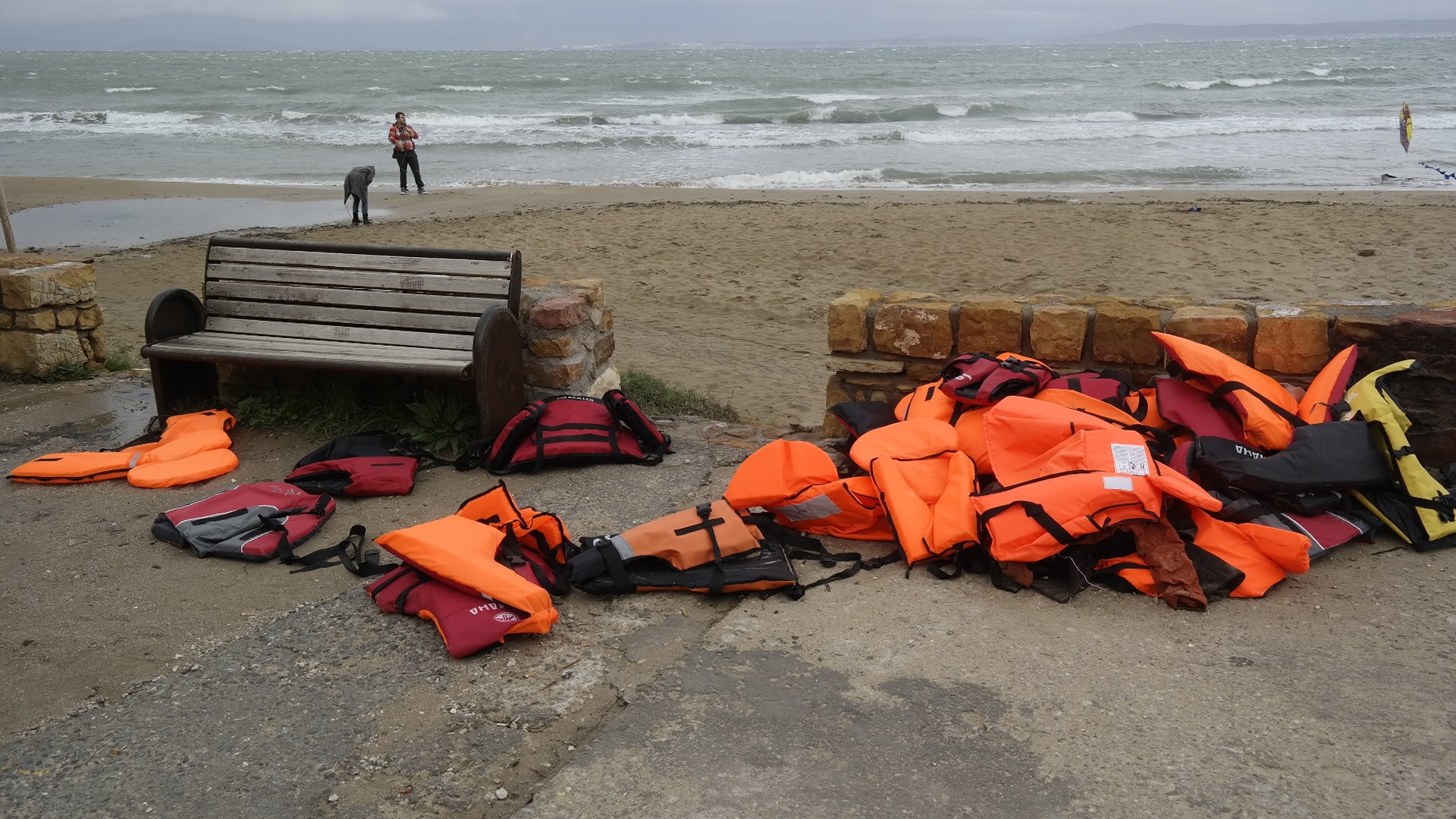
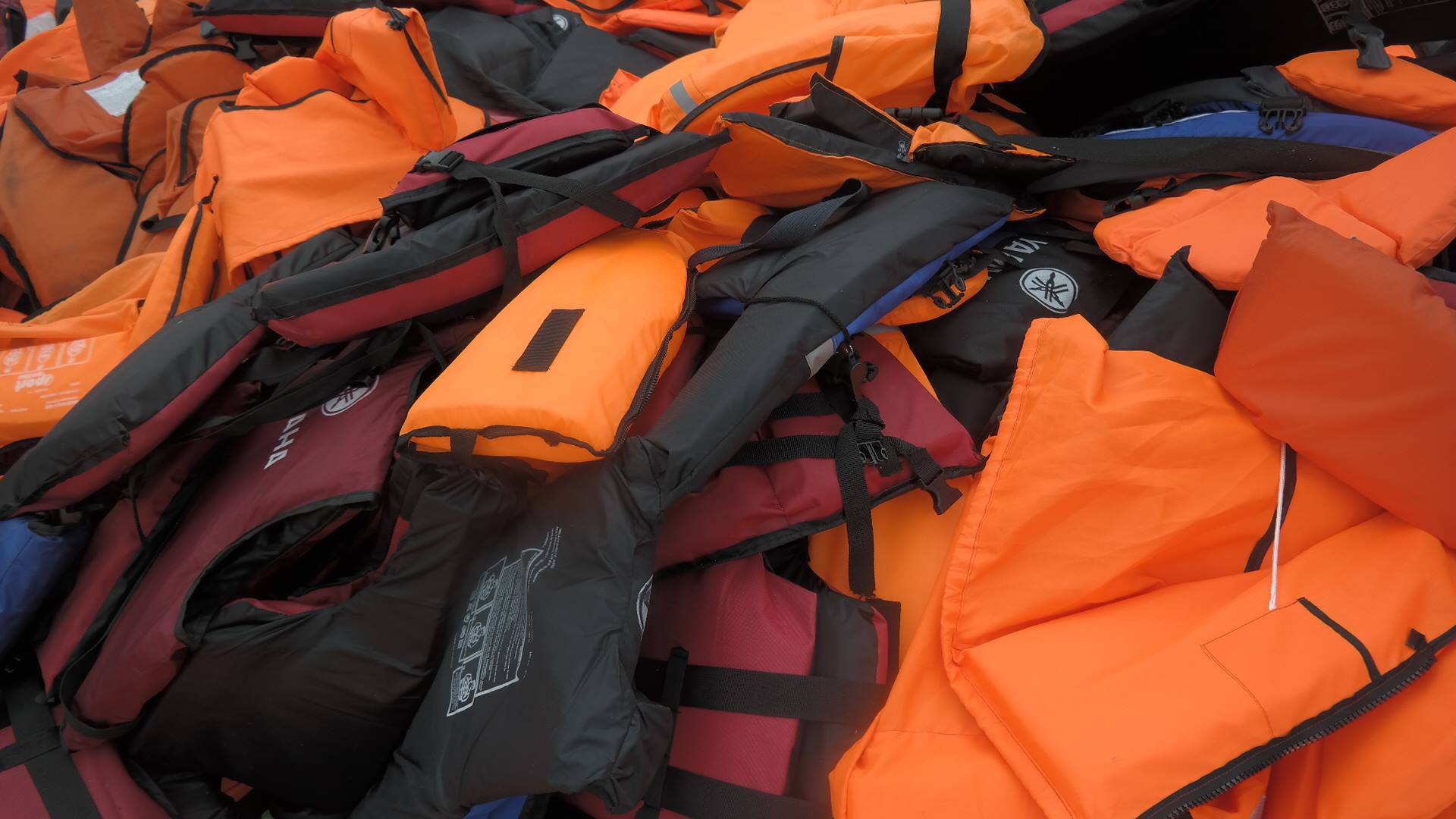
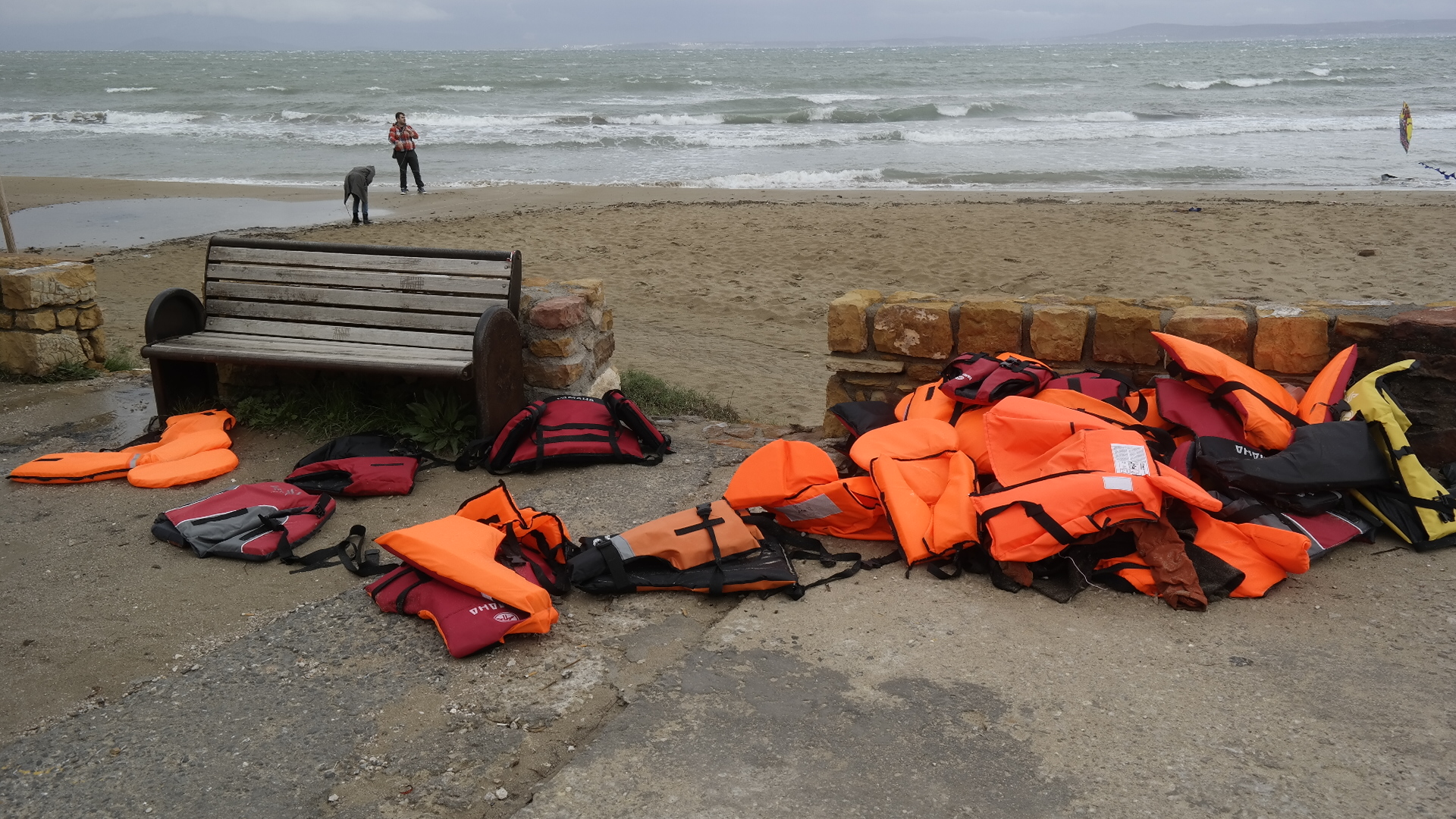
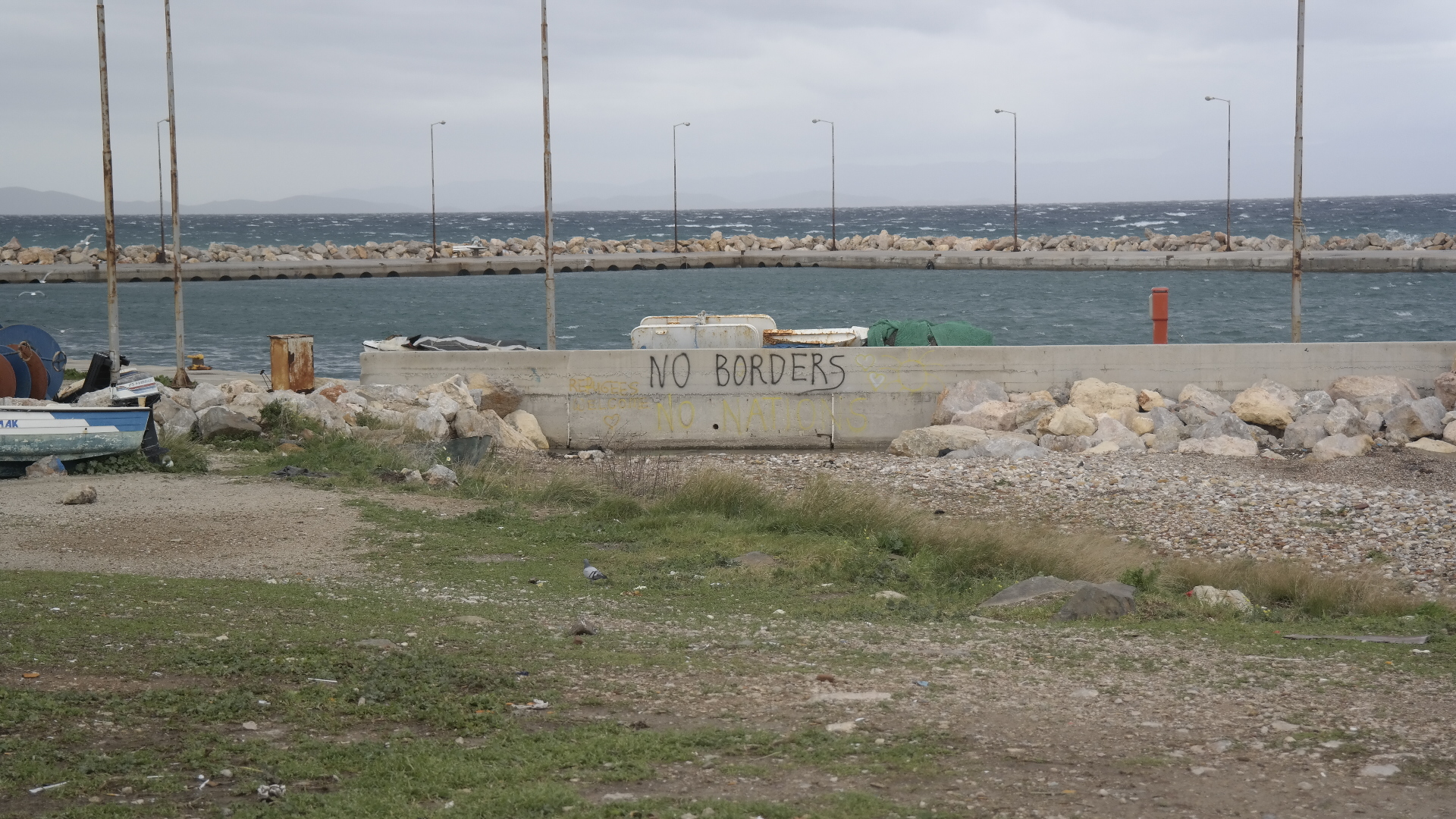
The beaches told the story before the sea did — stretches of coastline covered in abandoned life vests, deflated pontoons, clothing, and children’s shoes. The remnants of crossings that had already happened, and evidence of how many more were coming.
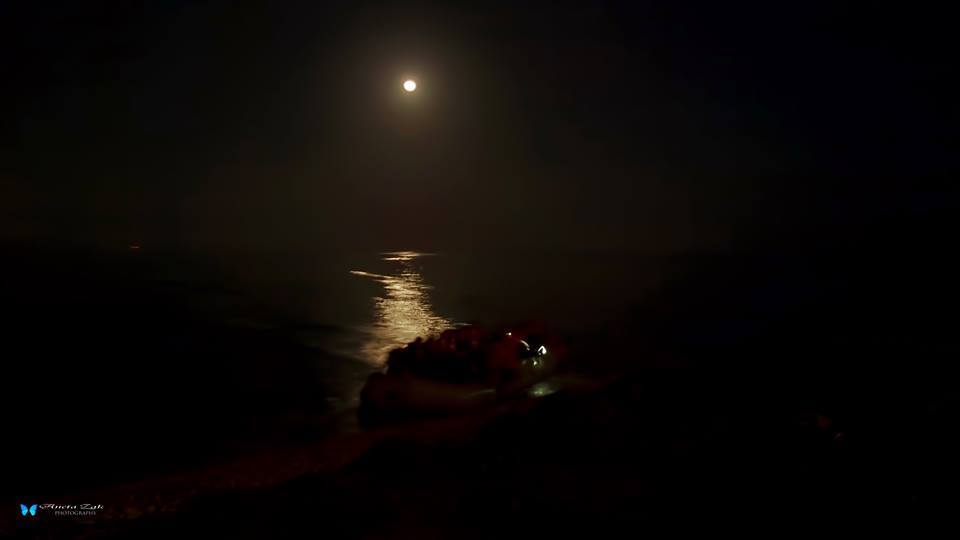
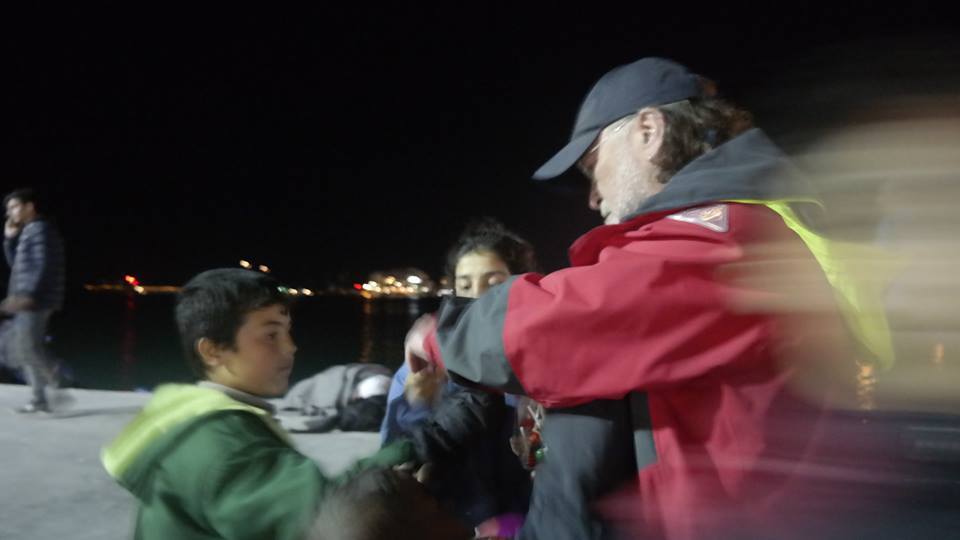
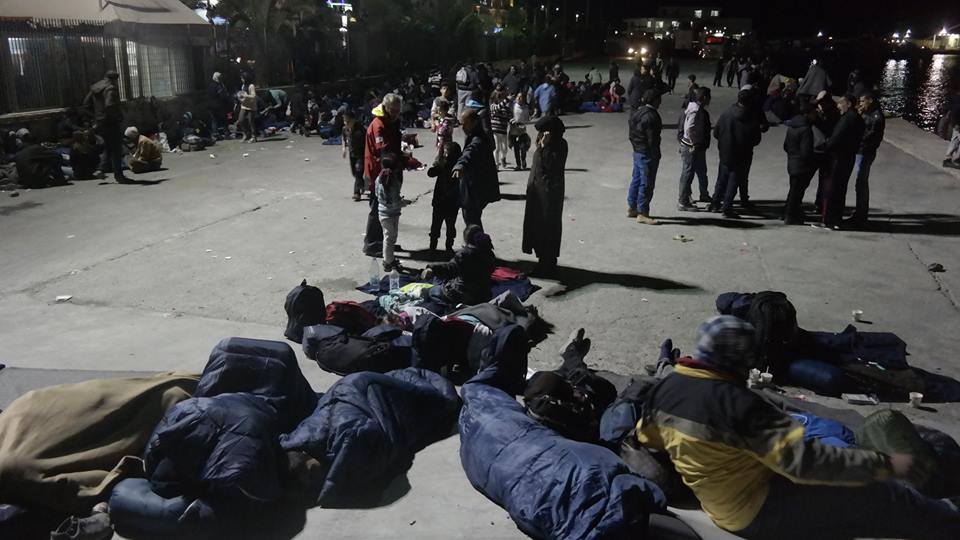
At night, the work was different. Patrols in darkness, scanning water that gave nothing back until it did. The crossings didn’t stop after sunset — if anything, people chose the night deliberately, hoping the darkness offered some protection. It didn’t make the sea safer. It made everything harder to see, and harder to reach in time.
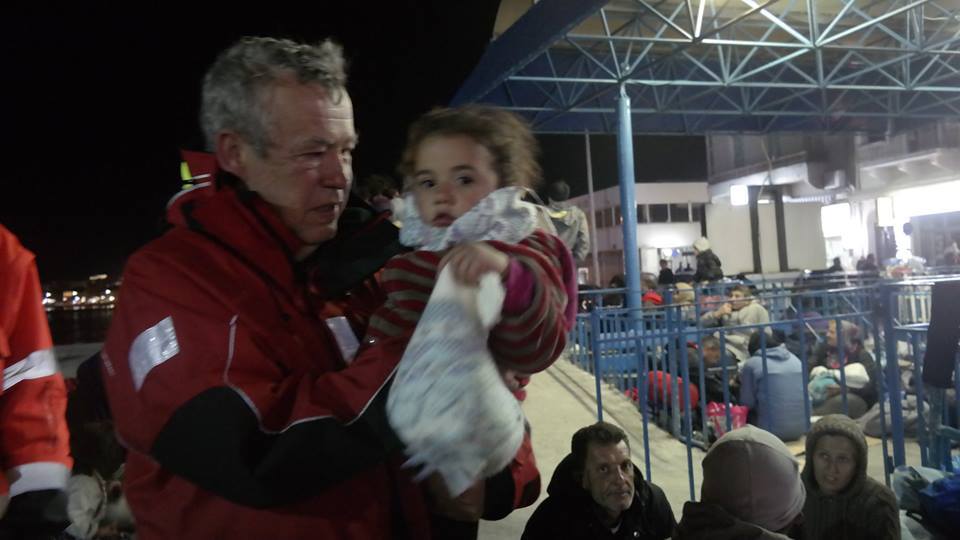
Many of those pulled from the water and the pontoons were small children. Some were infants. Our captains — experienced sailors who had seen a great deal — wept. There is no protocol for that. You do the work, and you carry it with you.
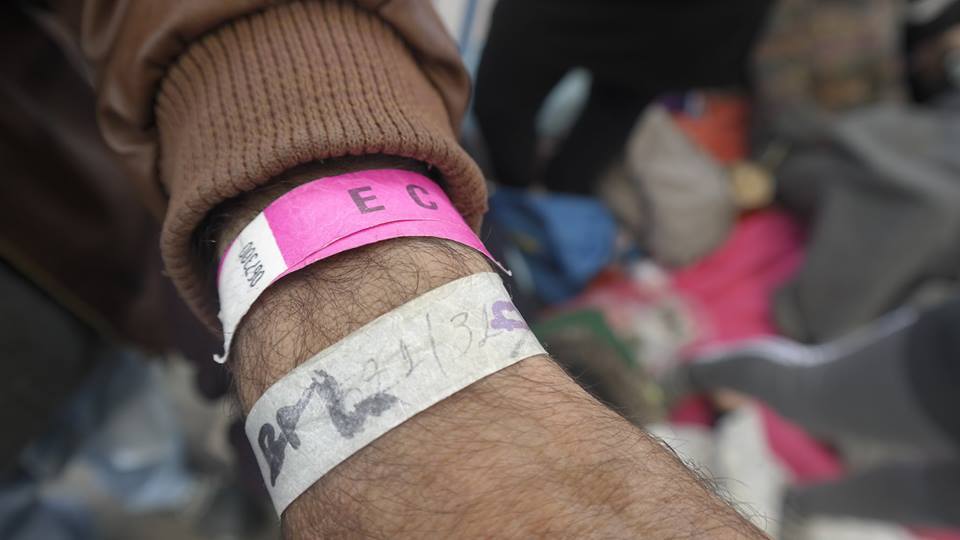
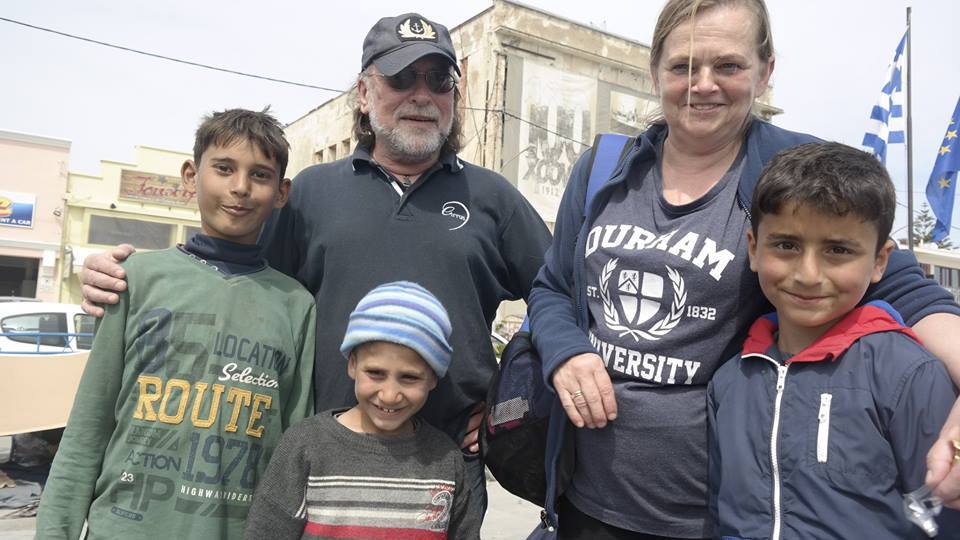
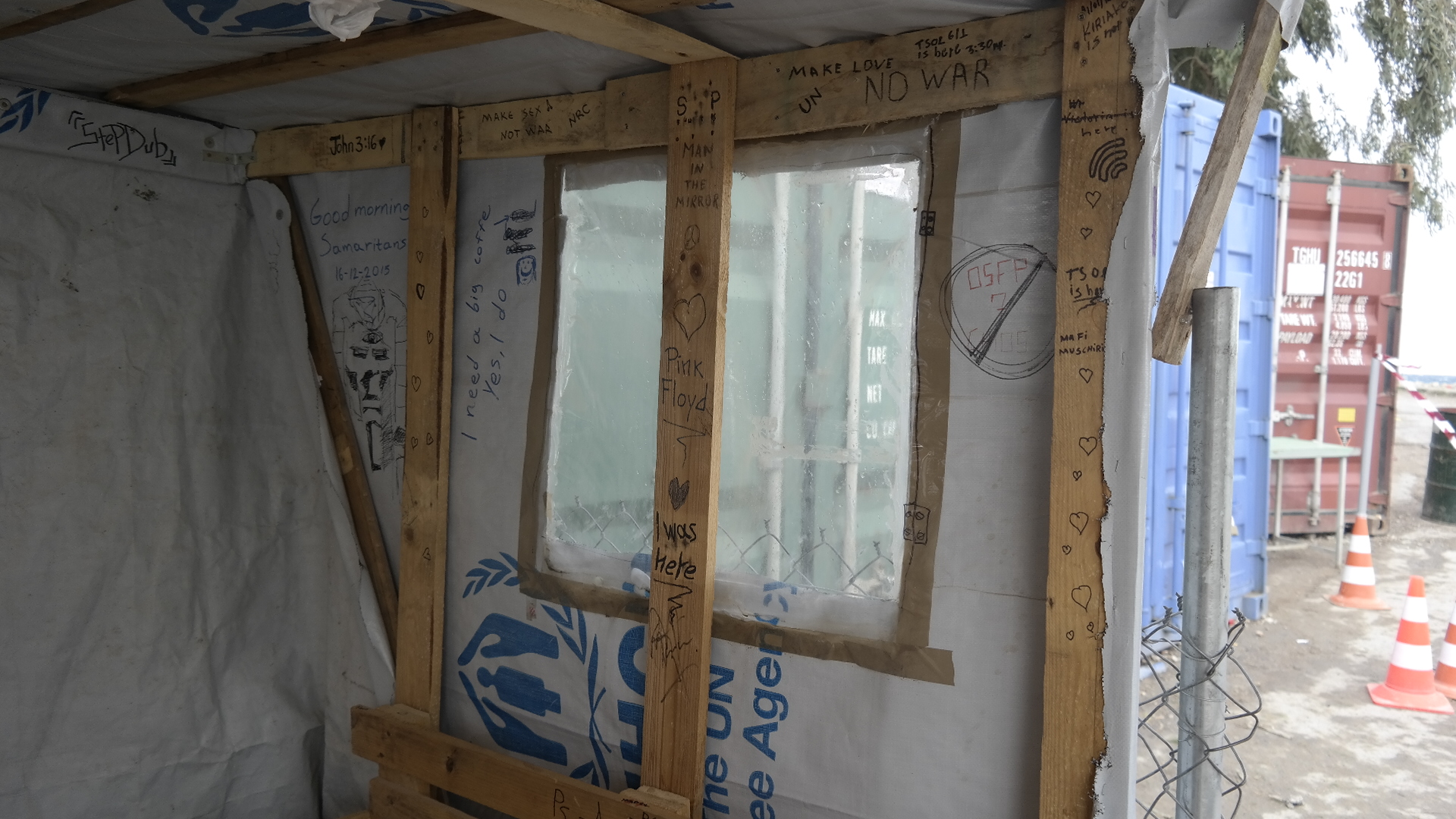
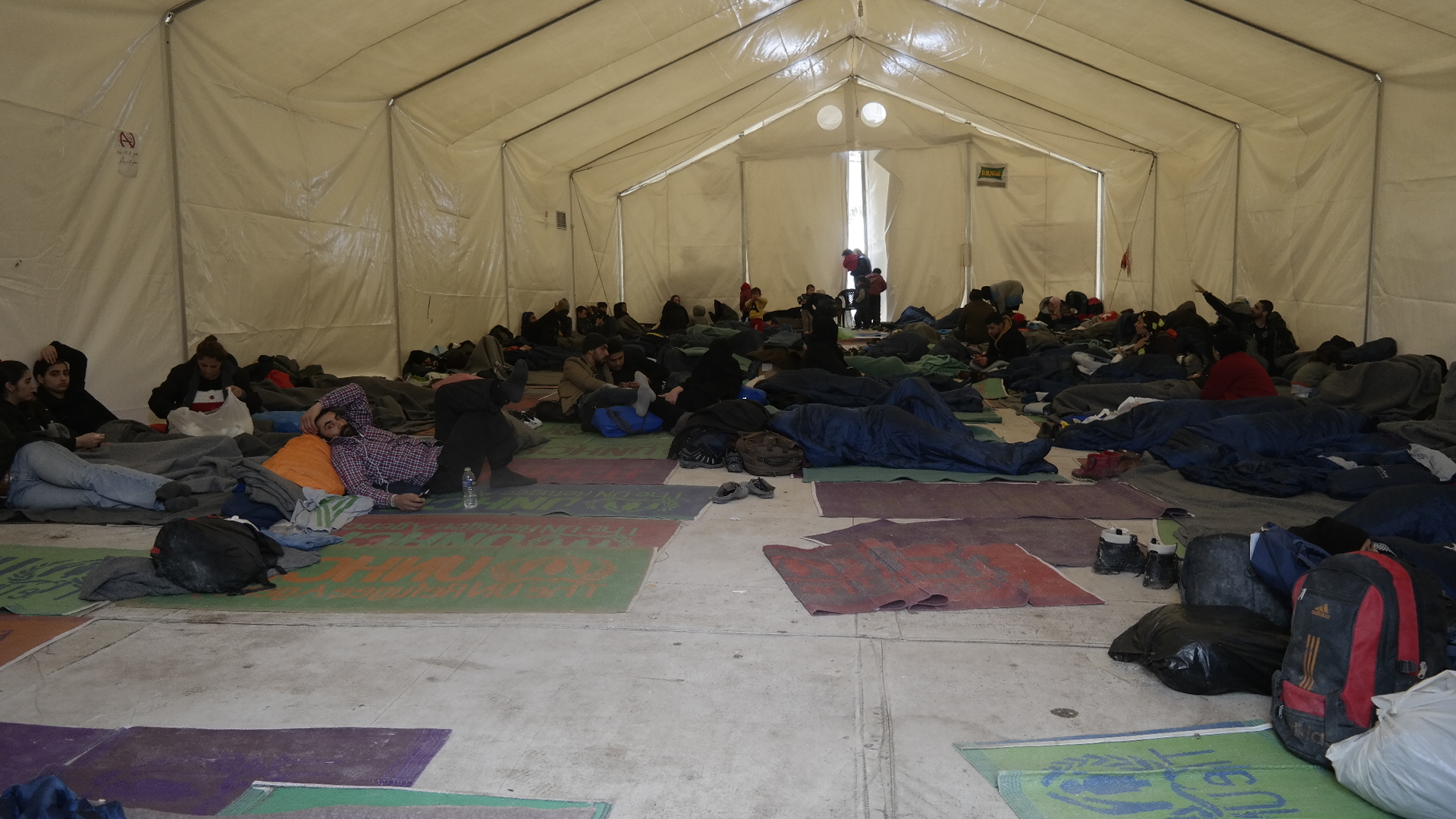
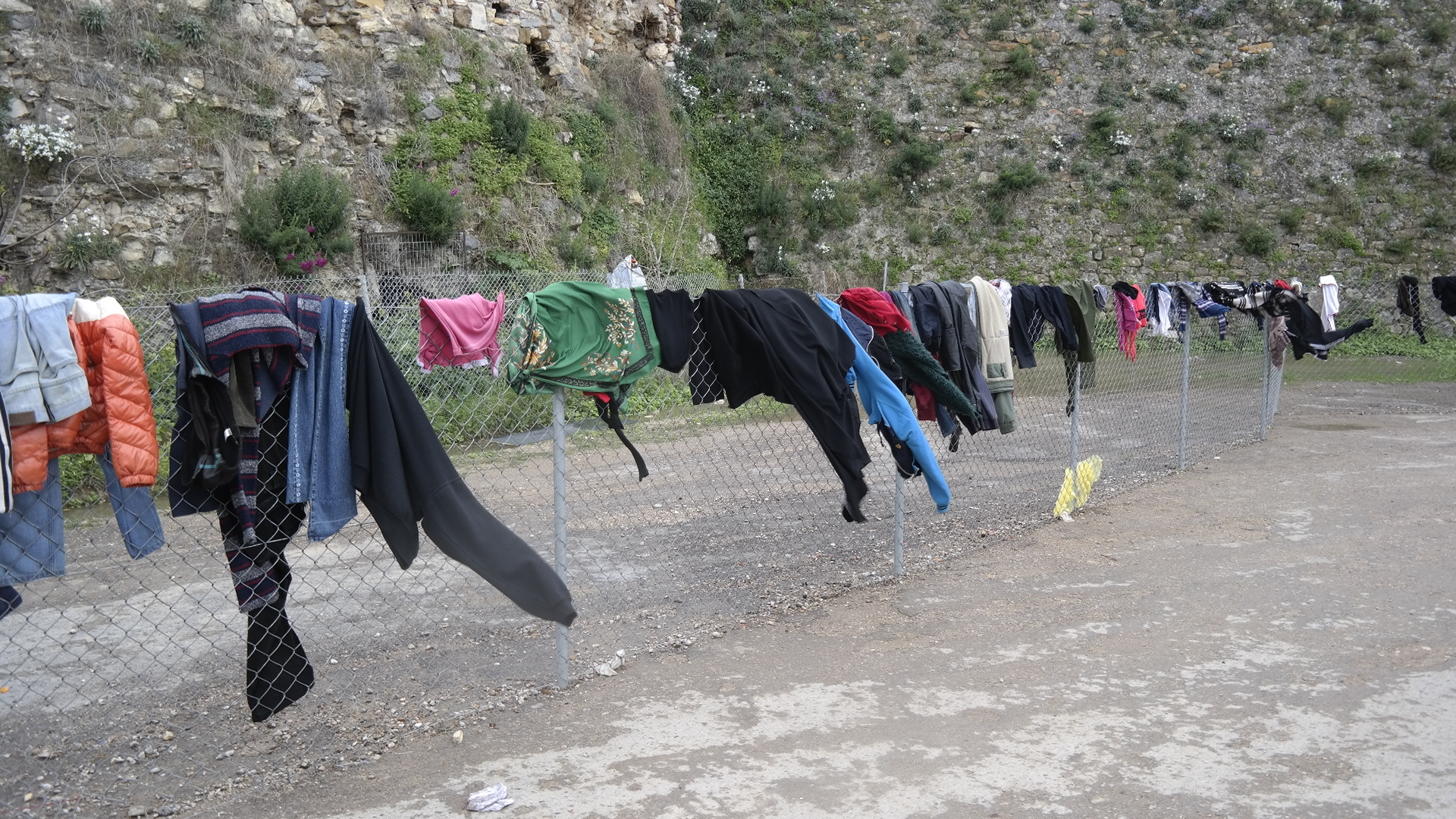
A few photos from the operation below. Photography: Michał Konopka.