
Beach Cleanups — Licata, Sicily
The Problem
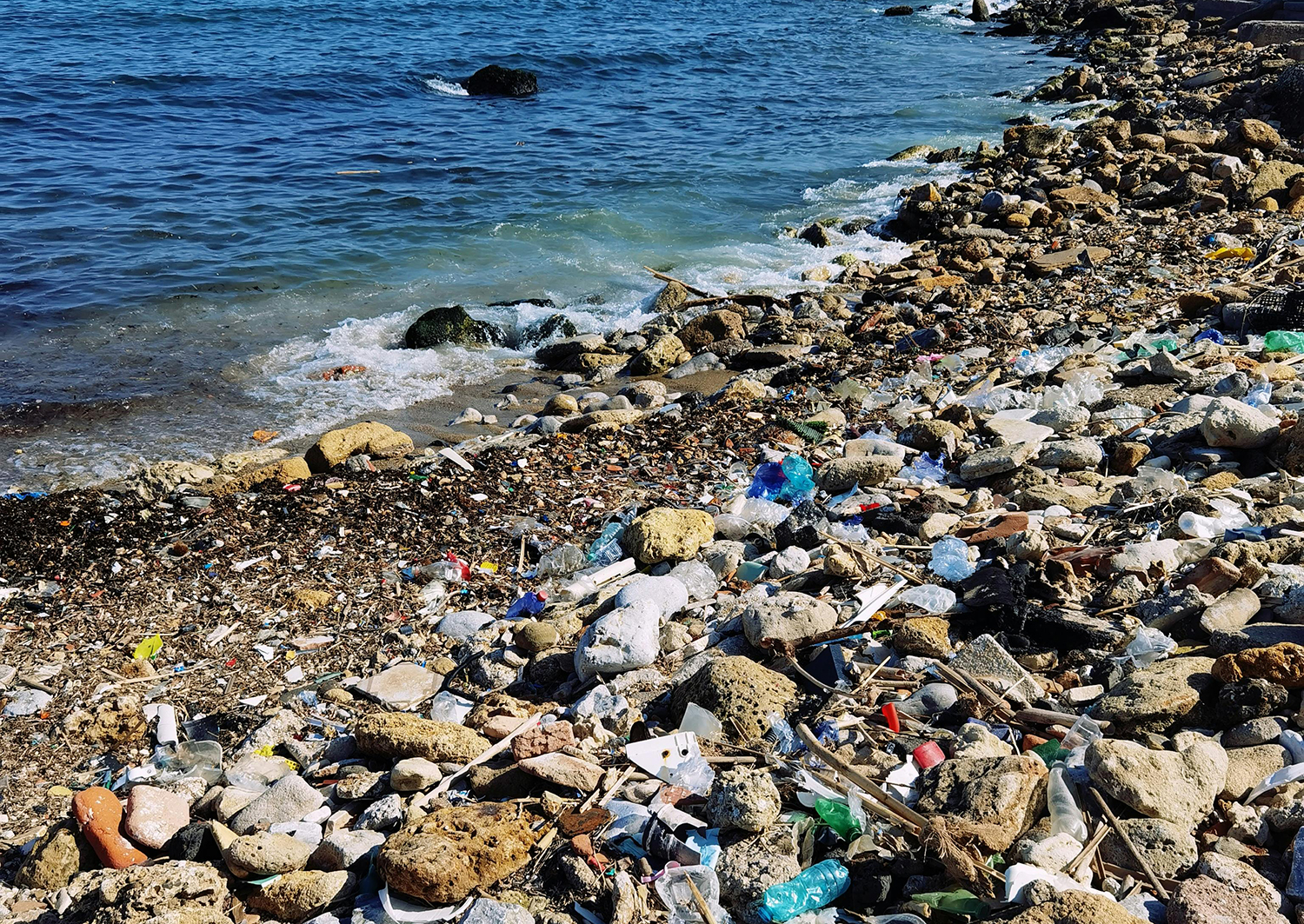
The Mediterranean is one of the most polluted seas in the world for marine litter. Sicily’s southern coast bears this particularly clearly — waste arrives from shipping lanes, the fishing industry, river runoff, and the sea itself, deposited by wind and currents onto beaches that would otherwise be beautiful. After storms, the accumulation can be extreme.
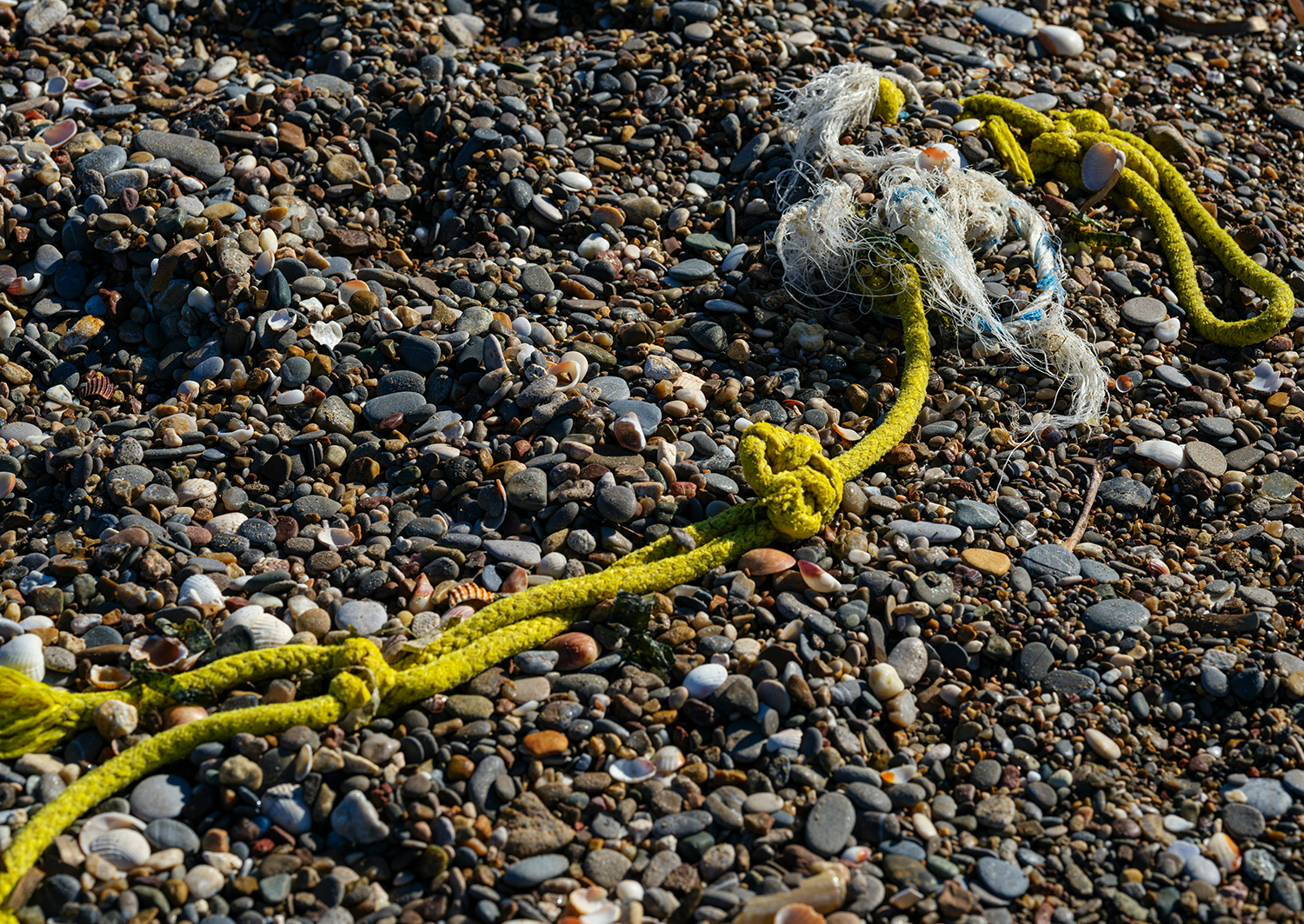
Licata has a working fishing port, a marina, and a coastline that sees both tourism and heavy maritime traffic. The combination produces a predictable result: plastic bags, broken containers, fishing gear, foam packaging from the fish market, fenders, flip-flops, furniture fragments. The kind of debris that accumulates steadily and is rarely, if ever, cleaned up by official channels.
The Cleanups
Between 2018 and 2021, SWB organised a series of beach cleanups along the Licata coastline, working with local people and sailors from the marina. Groups of between 10 and 20 people turned out depending on the day and the weather — a mix of SWB volunteers, local residents, and members of the sailing community who knew the beaches and cared about them.
The finds were consistent: plastic in every form, metal containers, styrofoam fish boxes, broken marine equipment, clothing. After storms, the volume was significantly higher and the variety stranger — the sea returns things from far away, and not always what you expect.
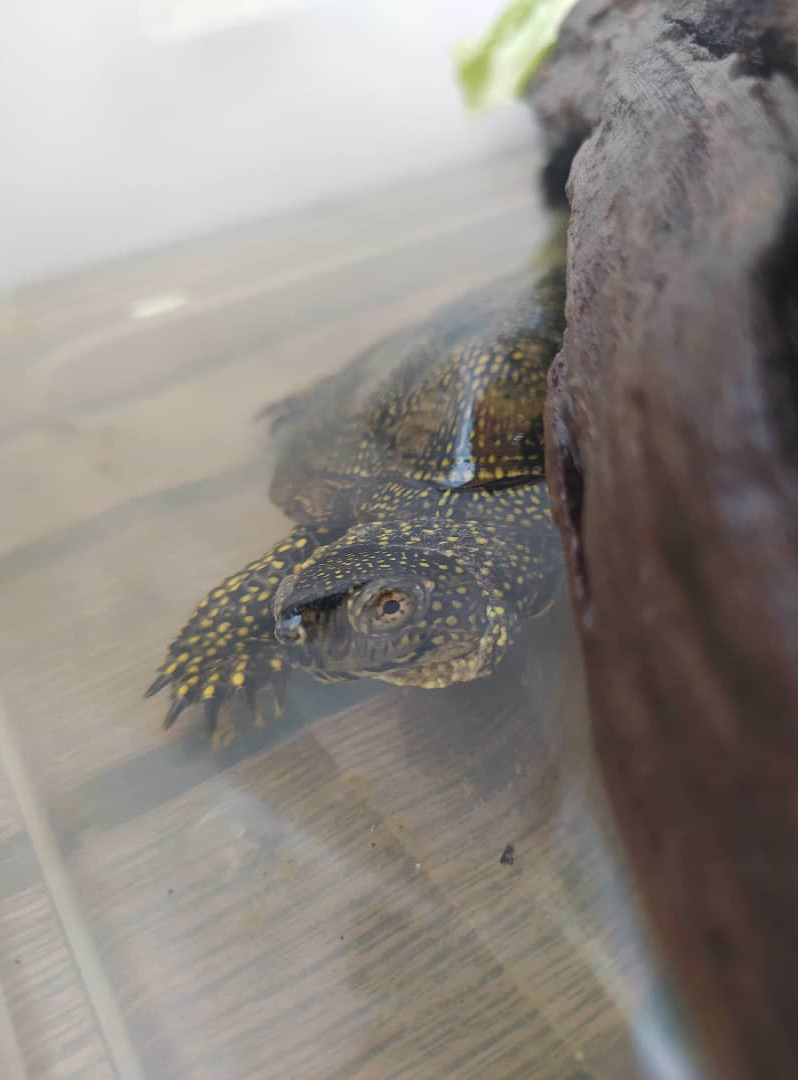
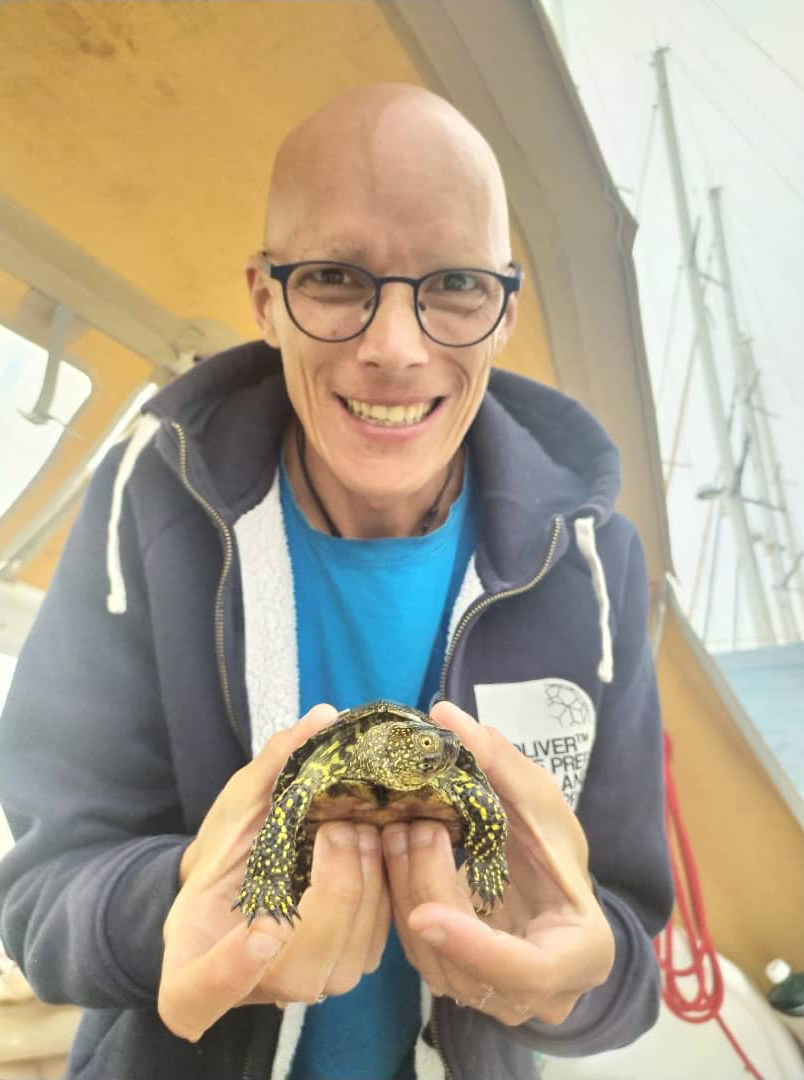
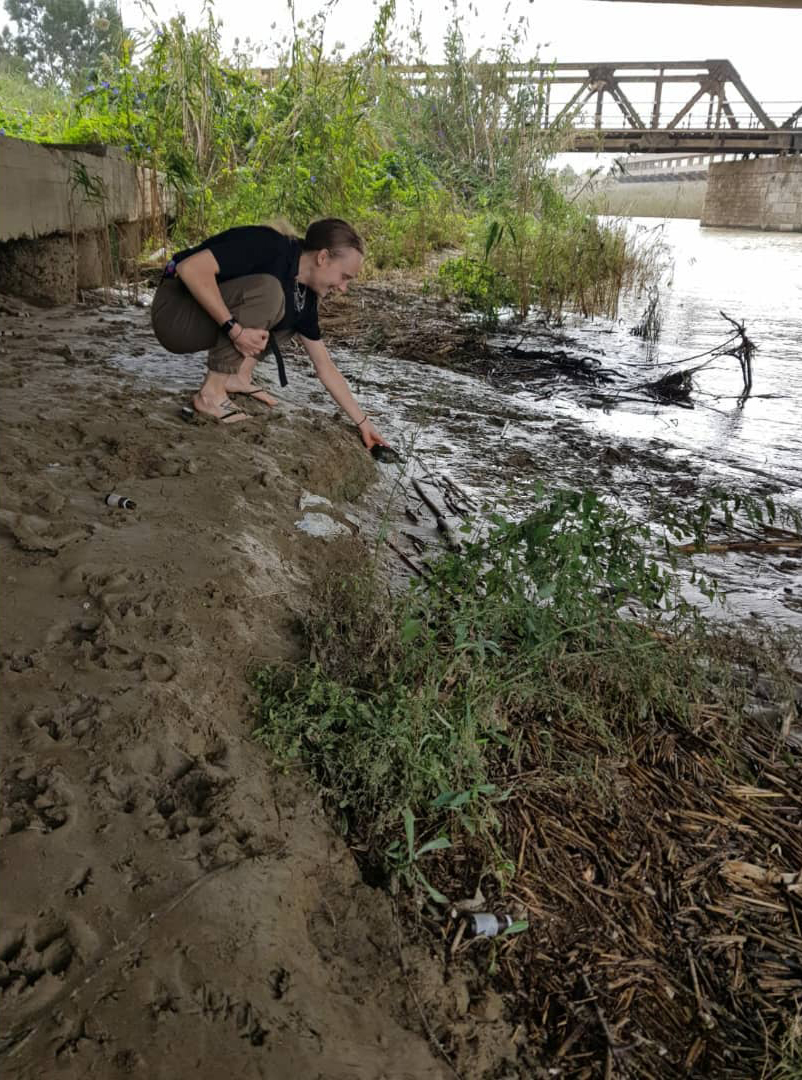
We kept a running informal challenge: who finds the most unusual object. The plastic banana was a strong contender. So were the scattered chess pieces. But the undisputed winner came during one cleanup after heavy rains — a living Sicilian freshwater turtle (Emys trinacris), far from home, apparently swept down the Salso River and out to sea during flooding. We called him Emys, cleaned him up, fed him, observed him for a day to make sure he was well, and released him back into the river upstream.
Why It Matters
SWB’s work is primarily focused on human emergencies. But the sea is the thread running through everything we do — it is where we work, where people cross in danger, and where the consequences of neglect are most visible. Cleaning a beach is a small act. It is also a direct one, and sometimes the most honest kind of contribution is the one that requires nothing more than showing up with a bag and a few hours.
We organise beach cleanups in many other places, on European and African shores.