
Search & Rescue and Camp Support: Kos–Samos–Chios–Lesvos
Search & Rescue and Camp Support
SWB’s first operations in Greece began with reconnaissance — learning the routes, the law, the gaps. What followed was two to three months of work on both sides of the shoreline: small boats patrolling the Aegean as eyes for larger SAR vessels, and volunteers on the ground in refugee camps on Chios and Kos, filling the gaps that formal systems could not or would not fill.
The Context
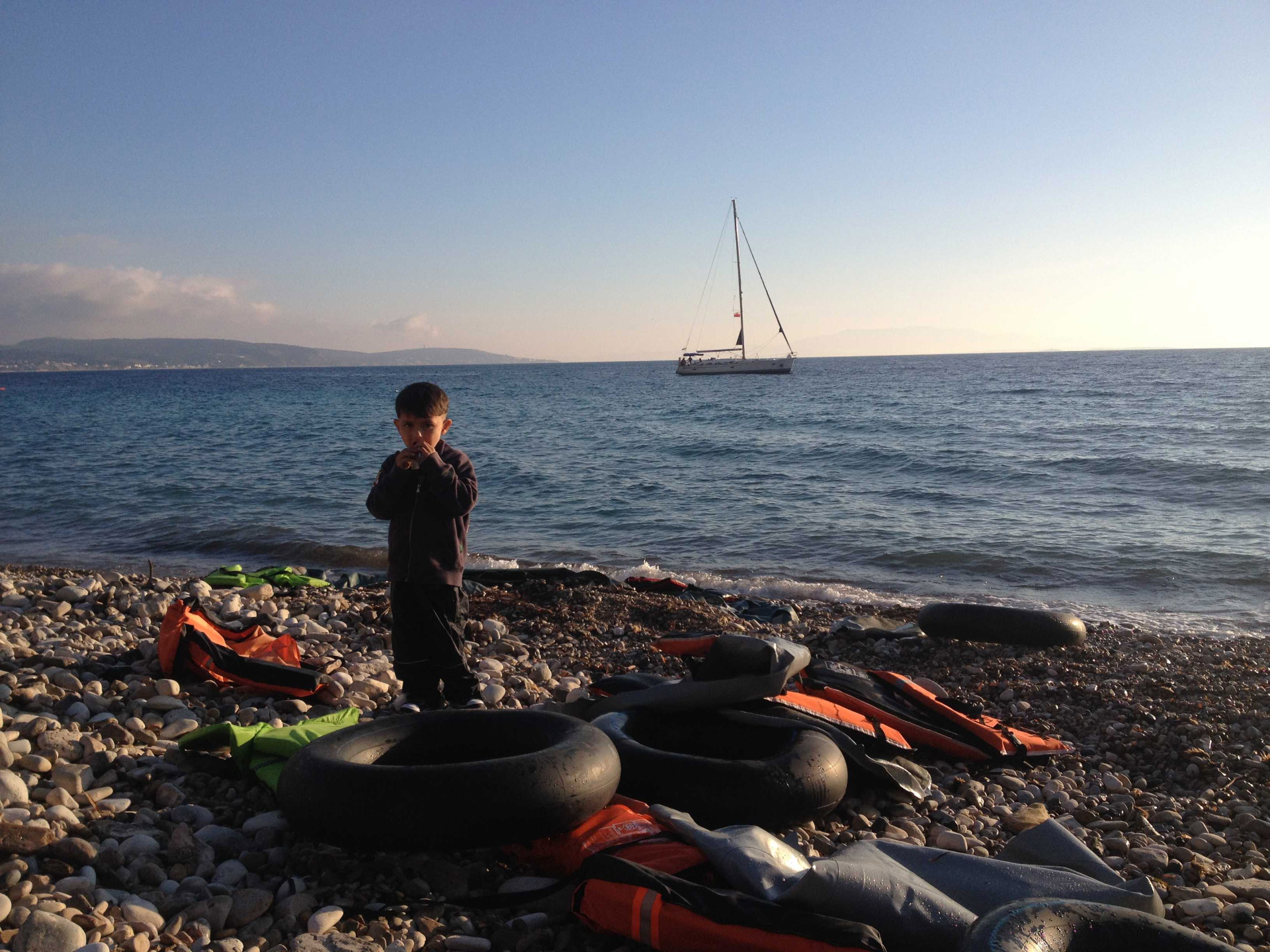
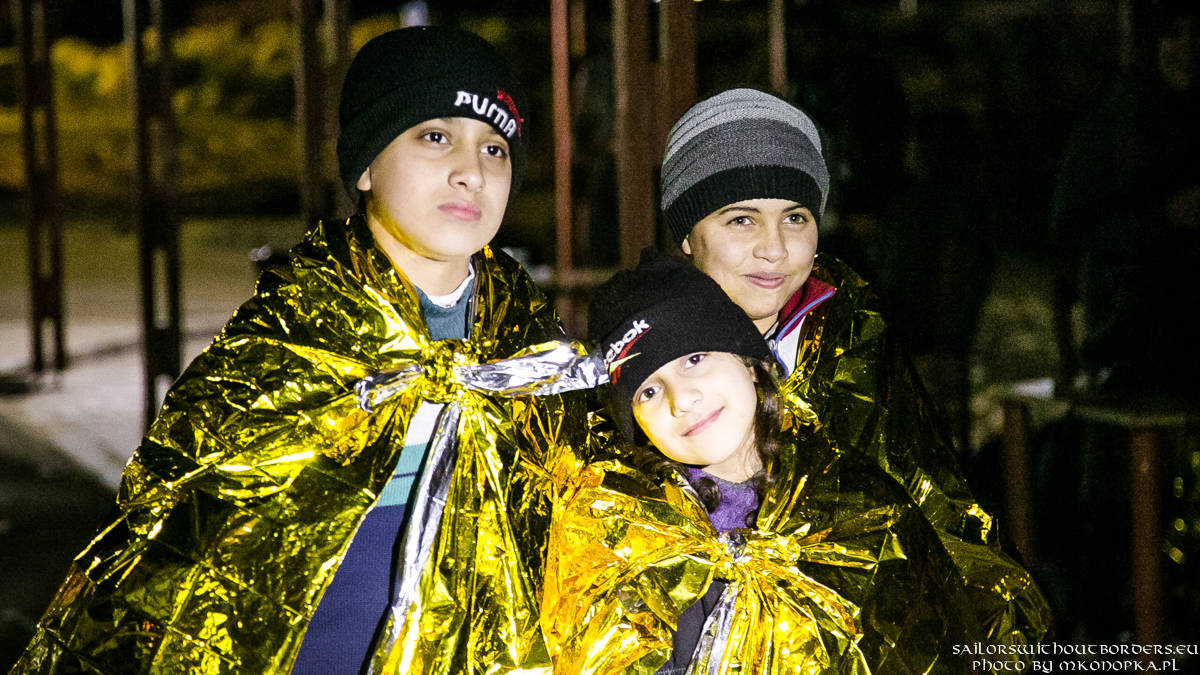
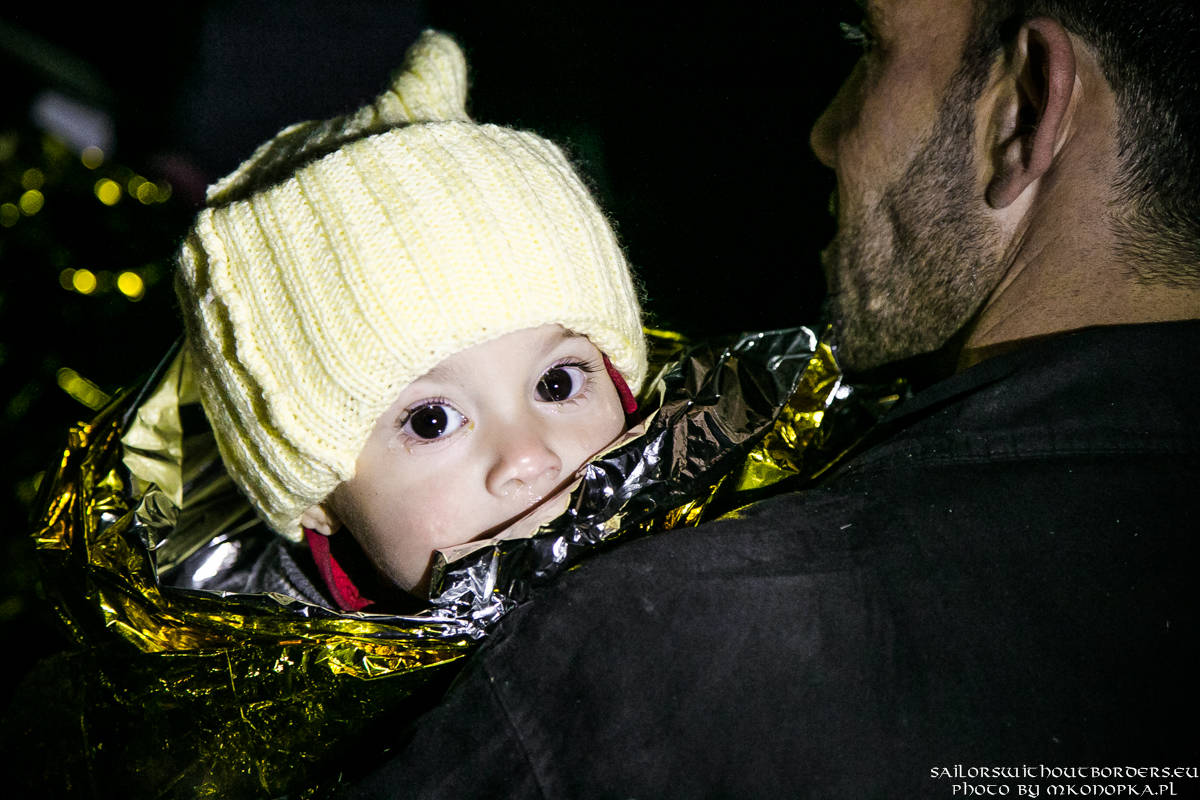
In 2015 and 2016, the Aegean crossing between Turkey and the Greek islands was the main route into Europe for hundreds of thousands of people fleeing war, persecution, and poverty. The islands of Lesvos, Chios, Samos, and Kos bore the weight of arrivals that far exceeded their infrastructure. Camps were overcrowded, under-resourced, and increasingly tense — not only because of the conditions inside, but because of what was happening outside.
Anti-migrant sentiment on the islands ran high. Far-right groups, including Golden Dawn affiliates, held rallies and carried out attacks. At the Souda camp on Chios, far-right groups threw Molotov cocktails at refugee tents, burning several to the ground and forcing around 150 people — including families with small children — to flee. The attacks coincided with visits by Golden Dawn MPs and Belgian far-right politicians to the island. Volunteers working in and around the camps were caught in the resulting chaos — and in the police response that followed.
The Operation
SWB began with reconnaissance — mapping the routes, understanding local law, identifying which organisations were already operating and where the real gaps were. The reconnaissance findings were straightforward: there were not enough vessels on the water, the existing NGOs were mostly land-based, and even small, well-organised boats with trained crews could make a difference.
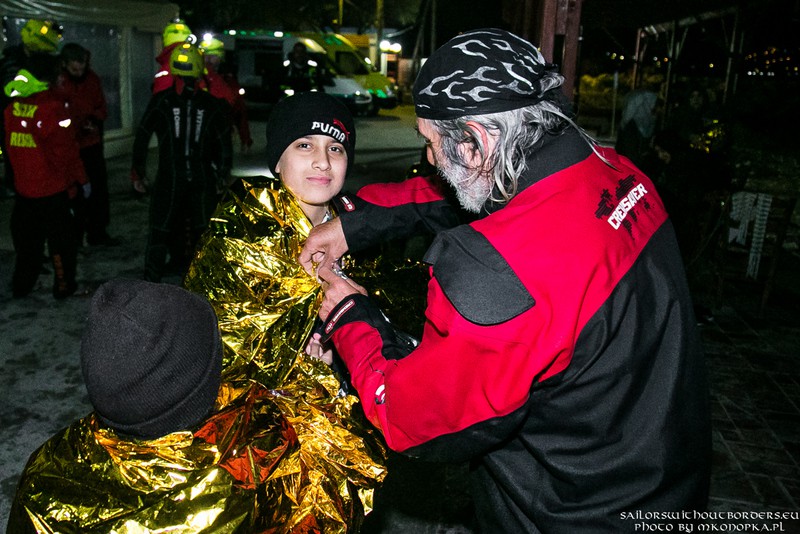
Rather than operating independently on the water, SWB chose to integrate. Our vessels were small sailing yachts — not suited to pulling large numbers of people from overloaded pontoons without putting everyone at risk. What they could do was patrol, scan, and communicate. SWB crews served as eyes for the larger SAR vessels operating in the area, identifying distress situations and relaying positions to organisations capable of responding. It was unglamorous work. It saved lives.
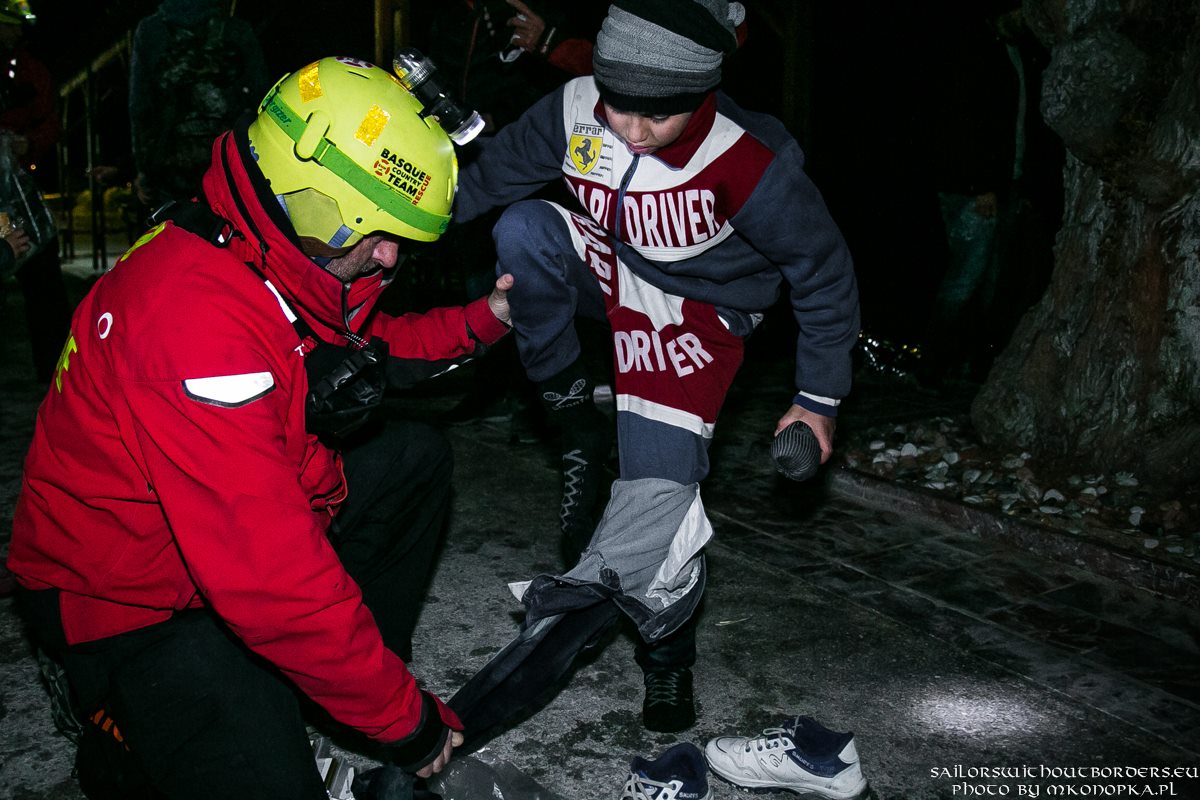
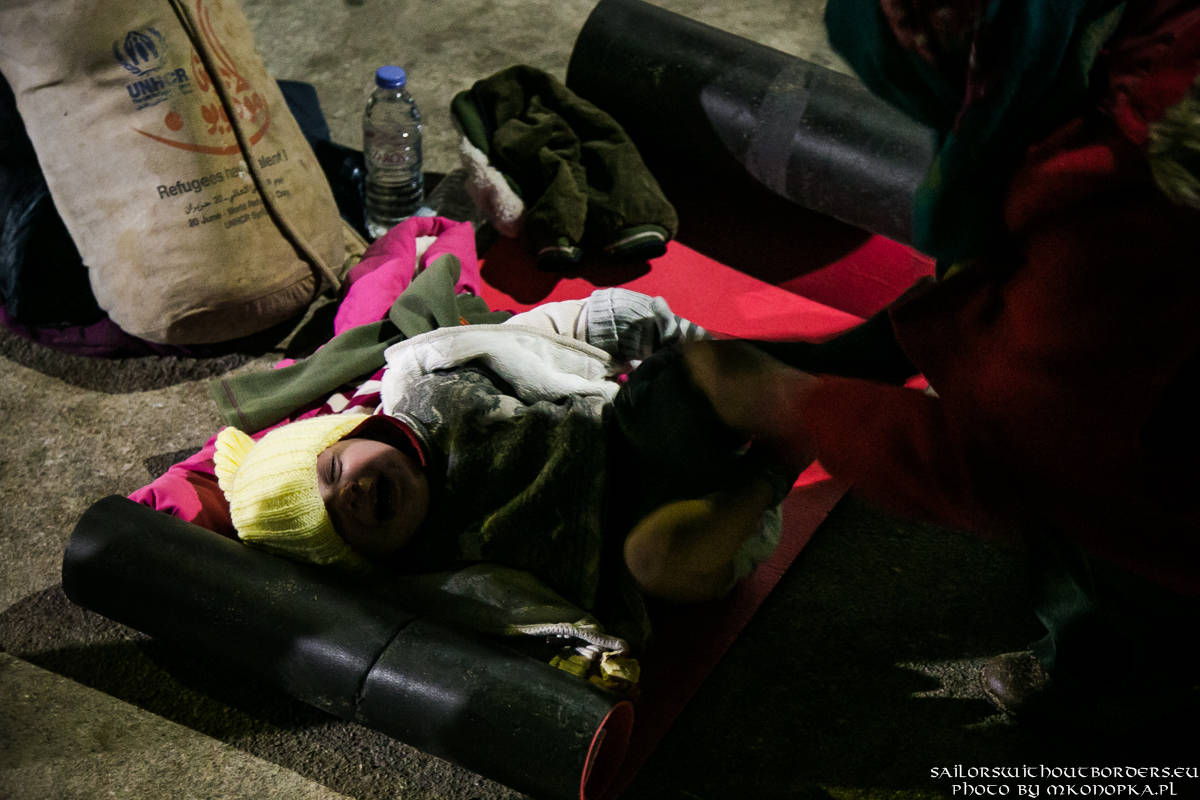
On shore, SWB volunteers worked in both official camps and informal settlements on Chios and Kos — supporting exhausted social workers, helping with logistics, and providing direct assistance to refugees in conditions that were deteriorating by the week. The camps were not safe environments. The combination of overcrowding, violence from outside, and the accumulated trauma of people who had already survived enormously difficult journeys made the work relentless and often devastating.
Some of our volunteers did not come through it intact. Several experienced nervous breakdowns. The weight of what they witnessed — on the water, on the beaches, in the camps — was not something that could simply be left behind when the deployment ended.


The Arrest
During the unrest surrounding one of the camp incidents, Monika — one of SWB’s volunteers — was arrested together with a group of volunteers from other NGOs. No charges were brought. She was held for several weeks before being released. It was not an isolated incident: throughout 2016, Greek authorities and Frontex were arresting volunteers and NGO members across the islands on various pretexts, including for photographing Frontex vessels and for towing distressed refugee boats to shore.
What We Learned
The reconnaissance model — going in first, understanding the environment before acting — became a template for subsequent SWB operations. So did the principle of integration: working alongside larger, more established organisations rather than duplicating effort or adding to the confusion. The Lesvos mayor had said it publicly at the time: too many NGOs were arriving without registration, without coordination, without a plan. SWB took that seriously from the start.
Photos by: Michał Konopka
